Why You Want To Use Organic Herbs And Spices

Herbs and spices can make everyday meals smell and taste wonderful. Many also contain plant compounds that scientists are studying. But a healthy ingredient is not automatically a medicine, and the research on one spice may be much more limited than popular claims suggest.
Below are 14 familiar herbs and spices, how to use them in food, and what to know about their possible benefits and safety. The word “organic” describes how a food is grown; it does not mean the food has been proven to prevent or cure disease.
What Can Herbs and Spices Really Do?
Herbs usually come from plant leaves, while spices often come from seeds, roots, bark, or flower buds. Both can add flavor to balanced meals. Some health research is promising, but lab studies, concentrated extracts, and normal amounts used in cooking are not the same thing.
Use these ingredients as part of a varied diet. Do not stop medicines, treat serious symptoms at home, or take concentrated herbal supplements without appropriate medical advice.
14 Popular Herbs and Spices to Know
1. Curry Leaves

Curry leaves are widely used in South Asian cooking, especially in curries, rice dishes, and soups. Their fragrant flavor makes everyday food more enjoyable. They contain plant compounds being studied by researchers, but eating curry leaves has not been proven to treat infections, liver disease, high blood pressure, or high cholesterol.
Easy Food Use and Safety Tips
Add washed curry leaves to curries or lightly toast them with other spices. You can also use them in a homemade chutney. Enjoy them as food, not as a substitute for prescribed medicine.
2. Garlic
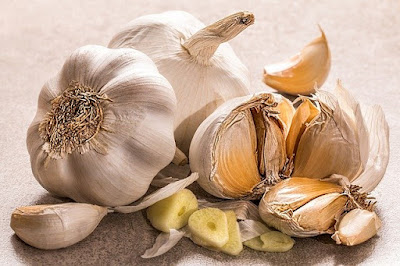
Garlic adds a strong, savory taste to meals. Research on garlic supplements suggests they might make a small difference to blood pressure in some people, but this does not mean a serving of garlic treats heart disease or cancer. Evidence for cancer prevention is uncertain.
Easy Food Use and Safety Tips
Use chopped or crushed garlic in cooked vegetables, soups, and sauces. Do not place raw garlic on painful teeth or skin: it can cause burns. Garlic supplements may increase bleeding risk and can interact with medicines.
3. Fenugreek
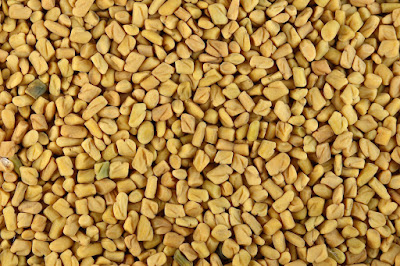
Fenugreek seeds have a warm, slightly bitter taste and are common in curries and spice blends. Some small studies have examined effects on blood sugar, but the research is not strong enough to replace diabetes care. Results about increasing breast milk supply have been mixed.
Easy Food Use and Safety Tips
Use a small amount of fenugreek as a cooking spice. Avoid medicinal amounts during pregnancy. If you take diabetes medicines, ask a healthcare professional before using fenugreek supplements because larger doses may lower blood sugar.
4. Ginger
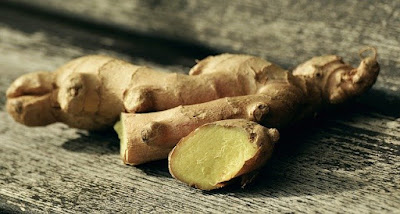
Ginger has a fresh, warming flavor. It is commonly used in tea, stir-fries, curries, and soups. Studies suggest ginger may help with some types of nausea, including pregnancy-related nausea, although results vary. It is not an established treatment for heart disease or blood clots.
Easy Food Use and Safety Tips
Try fresh ginger in meals or a mild cup of ginger tea. Ginger can cause heartburn or stomach upset. People who are pregnant or use medicines should seek advice before taking concentrated ginger supplements.
5. Cloves

Cloves are dried flower buds with a strong, warm aroma. They are used in rice dishes, stews, and baked foods. Cloves contain eugenol, a compound studied for various effects, but chewing cloves has not been shown to cure diarrhea, infections, or dental problems.
Easy Food Use and Safety Tips
Add one or two whole cloves when cooking, then remove them before serving if desired. Do not apply concentrated clove oil directly to gums or take clove essential oil by mouth without professional advice; it can irritate tissues and may be harmful.
6. Coriander
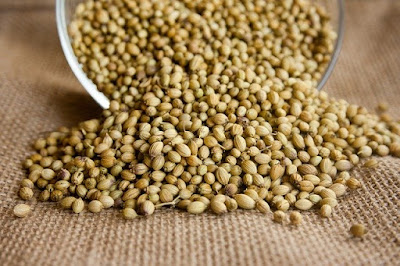
Coriander leaves and seeds bring different flavors to food. Fresh leaves taste bright and citrusy, while dried seeds are warm and gentle. Both can be useful ingredients in a varied diet. There is no reliable evidence that coriander water cures pregnancy swelling, eye redness, or diabetes.
Easy Food Use and Safety Tips
Use fresh coriander leaves as a garnish and ground seeds in curries. Never rinse your eyes with homemade herbal water. If you are pregnant and develop sudden swelling, especially with headache or vision changes, seek urgent medical advice.
7. Cardamom
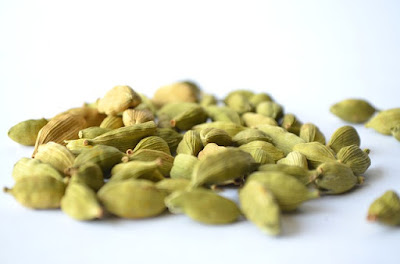
Cardamom is a fragrant spice popular in tea, rice, and desserts. It can add flavor without a lot of sugar. Early studies of cardamom compounds do not establish it as a treatment for ulcers, gastritis, or loss of appetite.
Easy Food Use and Safety Tips
Crush a cardamom pod and add it to tea or cooking. If you often have stomach pain, reflux, or unexplained appetite changes, speak to a healthcare professional rather than relying on spice drinks.
8. Mustard
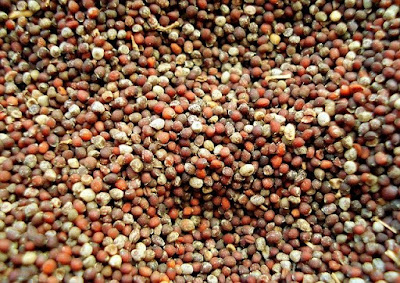
Mustard seeds and leaves are used in many cuisines. They contribute a peppery taste to sauces, vegetable dishes, and pickles. Eating mustard has not been shown to cure ear infections, colds, breathing problems, or skin disease.
Easy Food Use and Safety Tips
Use mustard seeds in cooking and mustard greens as vegetables. Do not put mustard oil or homemade mixtures into your ears or on irritated skin. Mustard can also cause allergic reactions in some people.
9. Cinnamon

Cinnamon gives a naturally sweet-smelling flavor to porridge, fruit, and baked foods. Scientists have studied cinnamon supplements and blood sugar, but results are mixed. Cinnamon water cannot replace cholesterol or diabetes medicines.
Easy Food Use and Safety Tips
Sprinkle a little cinnamon on oatmeal or fruit. Avoid taking large medicinal doses, especially of cassia cinnamon, which can contain substantial coumarin. Ask a clinician about supplements if you have liver disease or take medicines.
10. Pandan Leaves

Pandan leaves are valued for their pleasant aroma in rice dishes, desserts, and some teas. Their traditional uses are interesting, but human research has not shown pandan tea can control diabetes, cure gum disease, or treat insomnia.
Easy Food Use and Safety Tips
Use clean pandan leaves to flavor food or prepare a mild culinary infusion. For gum problems, high blood sugar, or ongoing difficulty sleeping, seek proven care instead of relying on pandan remedies.
11. Black Pepper

Black pepper is one of the most familiar table spices. It contains piperine, which gives pepper its sharp taste. Pepper can make meals flavorful, but there is no good evidence that a pepper gargle cures cavities, throat infections, or diarrhea.
Easy Food Use and Safety Tips
Add freshly ground pepper to food according to taste. Avoid placing strong pepper mixtures on sore mouth tissues. Piperine supplements may affect how some medicines are absorbed, so check before using concentrated products.
12. Nutmeg and Mace
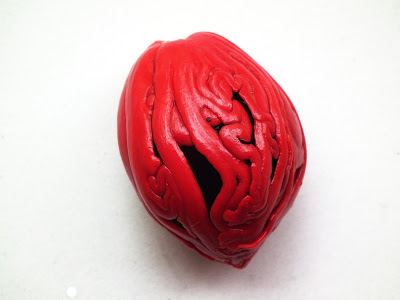
Nutmeg and mace come from the same tropical fruit. Nutmeg is the seed; mace is the lacy covering around it. Both provide warm flavor to baked dishes and sauces. They are not proven treatments for constipation, kidney disease, or infections.
Easy Food Use and Safety Tips
Use only small culinary amounts. Large amounts of nutmeg can cause serious poisoning, including confusion, nausea, and a rapid heartbeat. Never use it as a medicinal dose.
13. Lemongrass

Lemongrass has a bright lemon-like aroma and is common in soups, curries, and tea. Researchers have explored compounds from the plant, but drinking lemongrass tea has not been proven to cure chronic diseases or replace medical care.
Easy Food Use and Safety Tips
Use a clean lemongrass stalk to flavor soup or make a mild drink. Be careful with concentrated oils and extracts, which are not the same as normal culinary amounts.
14. Cumin
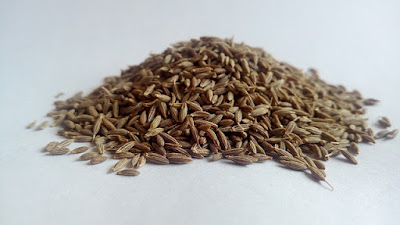
Cumin seeds have an earthy, warm flavor and are common in vegetable dishes, rice, and spice blends. Cumin adds variety to cooking, but studies do not show that it cures digestive problems or other medical conditions.
Easy Food Use and Safety Tips
Toast cumin seeds briefly to bring out their aroma, then add them to food. For persistent digestive pain or other symptoms, seek professional advice rather than treating them with spices.
Does Organic Mean Healthier or Safer?
Organic labels describe farming and production practices. They do not show that a spice is a medical treatment or that an herbal supplement is safe. Choose good-quality ingredients, wash fresh herbs, and store dried spices in a cool, dry place.
When to Be Careful With Herbal Products
- Ask a healthcare professional before taking herbal supplements if you are pregnant, breastfeeding, taking prescription medicines, or managing a long-term condition.
- Keep essential oils and concentrated extracts away from children. Do not drink essential oils unless specifically directed by an appropriate professional.
- Stop using a product and seek medical help if you develop symptoms of a serious allergic reaction.
- Seek medical care for ongoing stomach symptoms, dental pain, persistent high blood sugar, unusual swelling, or other worrying symptoms.
Frequently Asked Questions
Can spices replace medicines?
No. Spices can add flavor to food, but they should not replace prescribed treatments or medical advice.
Are fresh herbs better than dried spices?
Both can be useful for cooking. Choose the form that suits your recipe and store it safely.
Are herbal supplements the same as adding herbs to meals?
No. Supplements may deliver much larger doses and may interact with medicines or cause side effects.
Final Thoughts
Curry leaves, garlic, fenugreek, ginger, cloves, coriander, cardamom, mustard, cinnamon, pandan, black pepper, nutmeg and mace, lemongrass, and cumin can bring wonderful flavor to everyday meals. Enjoy them as ingredients in a balanced diet, while keeping health claims realistic and asking for professional care when you need it.
Related HealthCute reading: Amazing Benefits of Walking — another practical look at everyday wellness. This link is optional if it does not fit your editorial plan.
Medical and Safety References
- NCCIH – Garlic: Usefulness and Safety
- NCCIH – Fenugreek: Usefulness and Safety
- NCCIH – Ginger: Usefulness and Safety
- NIH Office of Dietary Supplements – Pregnancy and Botanical Ingredients
- NCCIH – Natural Does Not Necessarily Mean Safer
Medical disclaimer: This article is for general education only. It is not a substitute for medical advice, diagnosis, or treatment.


