Can Manioc (Cassava) Cure Cancer? Facts, Risks and Safe Use

Can Manioc (Cassava) Cure Cancer? Facts, Risks and Safe Use
Important: Do not drink raw cassava juice or stop prescribed cancer treatment to try a food remedy. Discuss new supplements or special diets with your oncology team.
What Is Manioc or Cassava?
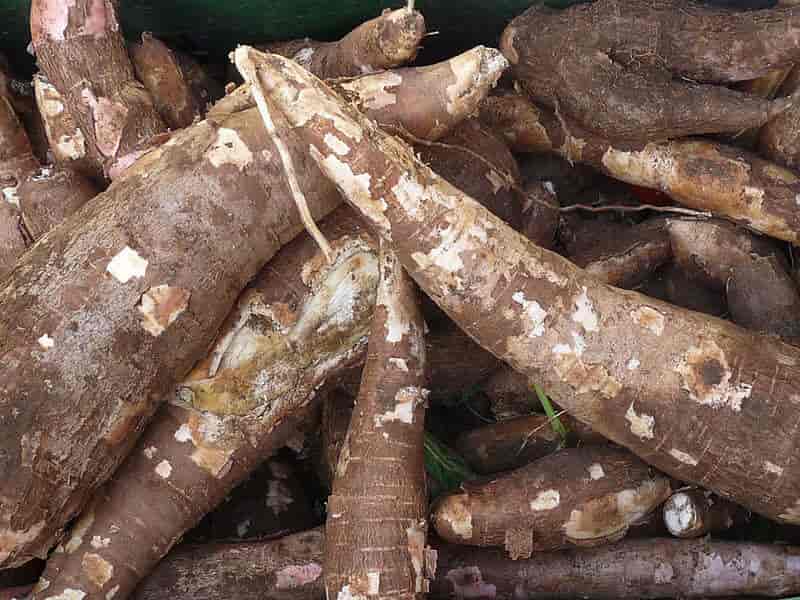
Cassava (Manihot esculenta) is a root vegetable eaten in many parts of Africa, Asia, and South America. It supplies carbohydrates and energy. Proper processing is important because cassava naturally contains chemicals that can release cyanide.
Can Cassava Make Cancer Disappear?
No. Claims that cassava juice or boiled cassava makes cancer disappear are not backed by reliable human clinical trials. A personal success story cannot show whether a food cured cancer. Cancer treatment depends on the kind of cancer, its stage, and the person’s health.
Proven options may include surgery, radiation, chemotherapy, immunotherapy, hormone therapy, or targeted medicines. A cancer specialist can explain which treatments may be suitable.
What Is the “Vitamin B17” Claim?
Some online claims describe a substance called “vitamin B17” as a cancer cure. This term often refers to laetrile or amygdalin, but it is not an officially recognized vitamin. The National Cancer Institute reports no demonstrated cancer benefit in human clinical trials. Laetrile and amygdalin can also cause cyanide poisoning.
Do not trust claims that a certain amount of cassava contains a cancer-curing dose of “vitamin B17.” Cassava’s natural cyanogenic substances are not proven cancer medicines.
Why Raw Cassava Juice Is Dangerous
Cassava contains cyanogenic glycosides. When the root is crushed or broken down, these substances can release cyanide. The danger varies with the cassava variety and how it is processed. Simply blending raw cassava with water and allowing it to settle is not a verified safe method of removing these substances.
Warning Signs After Eating Unsafe Cassava
- Dizziness or headache
- Nausea, vomiting, or stomach pain
- Weakness or confusion
- Fast or difficult breathing
- Seizures or loss of consciousness in severe cases
Seek emergency medical care immediately if concerning symptoms develop after consuming raw or improperly processed cassava. Dizziness is a warning sign, not proof that a remedy is working. Do not deliberately increase the amount consumed.
How to Eat Cassava More Safely
Buy cassava and cassava products from trustworthy food suppliers. Follow preparation advice for the specific type of cassava. Cassava generally needs peeling and proper processing. Some varieties, especially bitter cassava, require more extensive processing; boiling alone is not always enough to remove dangerous chemicals. If you are unsure how to prepare a variety safely, choose a different food or ask a local food-safety expert.
Do not drink raw cassava smoothies or extracts for health benefits.
What About Cassava and Diabetes?
Cassava contains a large amount of starch, which can affect blood sugar. Removing sediment from a raw cassava drink does not make it a proven diabetes treatment or make it safe. People with diabetes should consider portions and their overall eating plan.
Can Food Help During Cancer Treatment?
Good nutrition helps support energy and recovery needs, but no single food cures cancer. Some people need extra help with eating during treatment. An oncology dietitian can suggest foods that fit a person’s symptoms and treatment plan. Always tell your medical team about any supplements, extracts, or special diets.
Frequently Asked Questions
Does boiled cassava cure cancer?
No. Properly prepared cassava can be part of a meal, but it has no proven cancer-curing effect.
Is vitamin B17 a real vitamin?
No. “Vitamin B17” is a name used in marketing for laetrile or amygdalin, not a recognized essential vitamin.
Is raw cassava juice safe?
Raw cassava can release cyanide, so raw cassava juice should not be used as a health drink or cancer remedy.
Should people with cancer avoid all cassava?
Not necessarily. Appropriately processed cassava can be eaten as food if suitable for the person’s nutrition needs. Ask your care team if unsure.
What if I already drank raw cassava juice?
Get urgent medical help if you notice dizziness, vomiting, breathing trouble, confusion, or other concerning symptoms. Tell the healthcare team exactly what you consumed.
Final Thoughts
Manioc or cassava is a food—not a cancer cure. The claim that raw cassava juice or “vitamin B17” makes cancer disappear is unsupported. Unsafe cassava can cause serious poisoning. Choose properly processed food and seek evidence-based cancer care.
Medical References
- National Cancer Institute: Laetrile and cancer
- Cochrane: Laetrile treatment for cancer
- WHO: Natural toxins in food
- FSANZ: Cassava safety
- CDC: Cyanide symptoms
Medical disclaimer: This information is for education, not a substitute for diagnosis or treatment. Have an oncology professional review medical content before publishing.


