What is Coronavirus: Causes, Symptoms and Treatments

Last medically researched update: October 25, 2026. This article explains what COVID-19 is, how it spreads, common symptoms, available treatments, and ways to lower your risk. COVID-19 guidance can change. Check your local health authority for the latest advice.
COVID-19 is a respiratory illness caused by a virus called SARS-CoV-2. It can feel like a cold or flu, but some people become seriously ill. Vaccines and medical treatments are now available, unlike in the early months of 2020.
What Is Coronavirus and COVID-19?
Coronaviruses are a family of viruses. Some cause common colds. Others cause more serious illnesses, including SARS, MERS, and COVID-19. The virus is called SARS-CoV-2; the illness it causes is called COVID-19.
The first known outbreak was reported in Wuhan, China, in December 2019. The World Health Organization later named the disease COVID-19. The virus continues to circulate, although most people now have some protection from past infection, vaccination, or both.
Why Can COVID-19 Be Dangerous?
Many people have mild symptoms and recover at home. However, the infection may cause pneumonia, breathing problems, or serious complications. Older adults, people with weakened immune systems, pregnant people, and those with some long-term medical conditions may be at higher risk. Severe illness can happen to others too.
How Does SARS-CoV-2 Infect the Body?
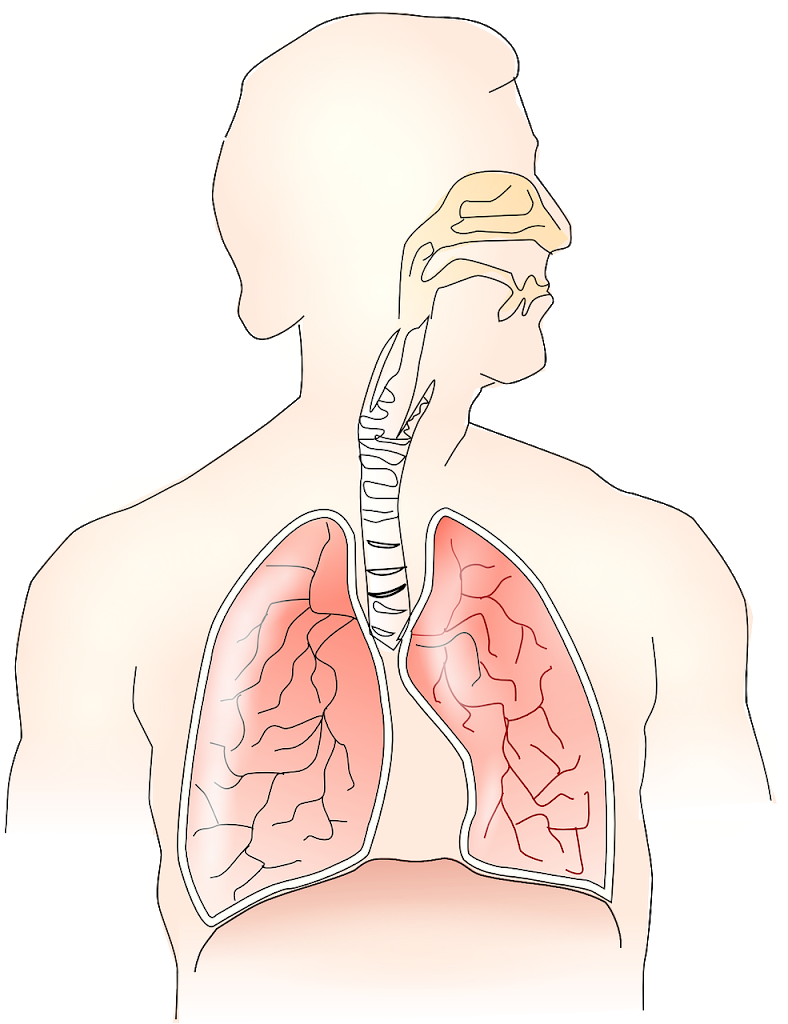
The virus enters the body mainly through the nose or mouth. Tiny infectious particles can be breathed in, especially when people share indoor air. The virus uses a spike protein to attach to receptors on some human cells, including the ACE2 receptor. After entering a cell, it uses the cell’s machinery to produce more viral material.
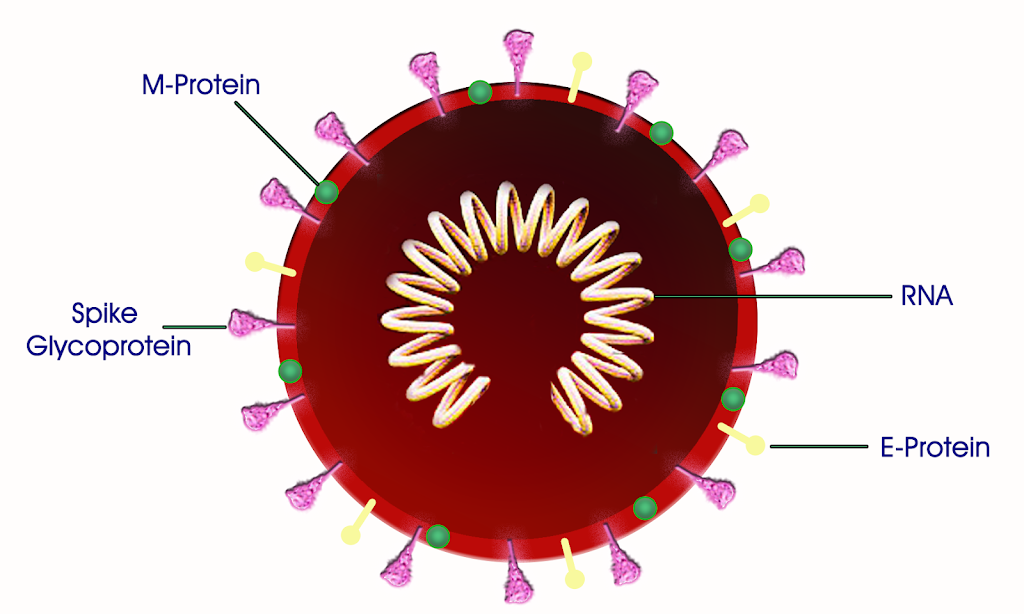
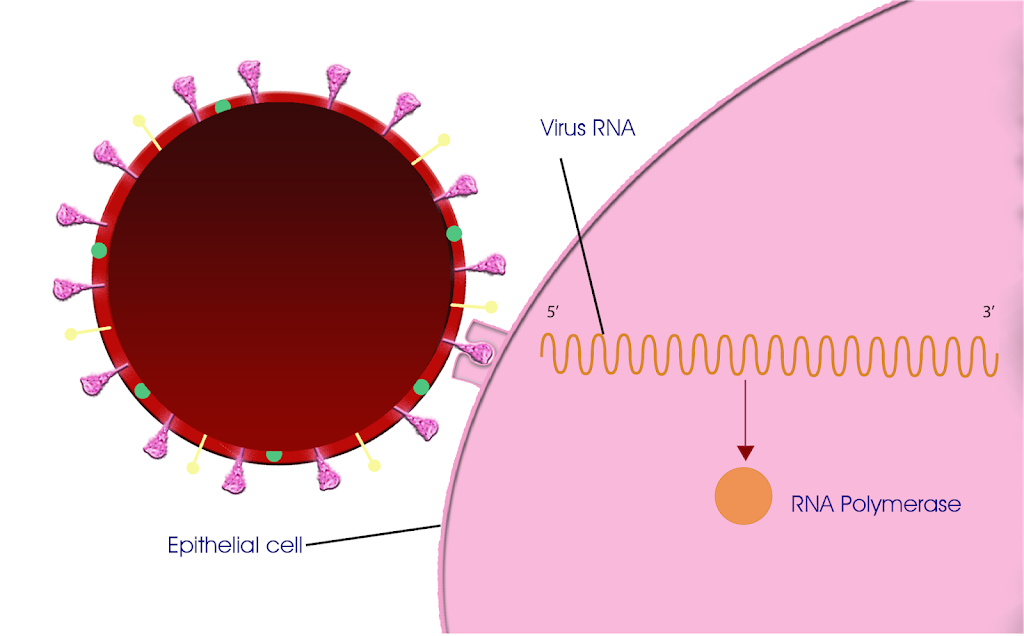
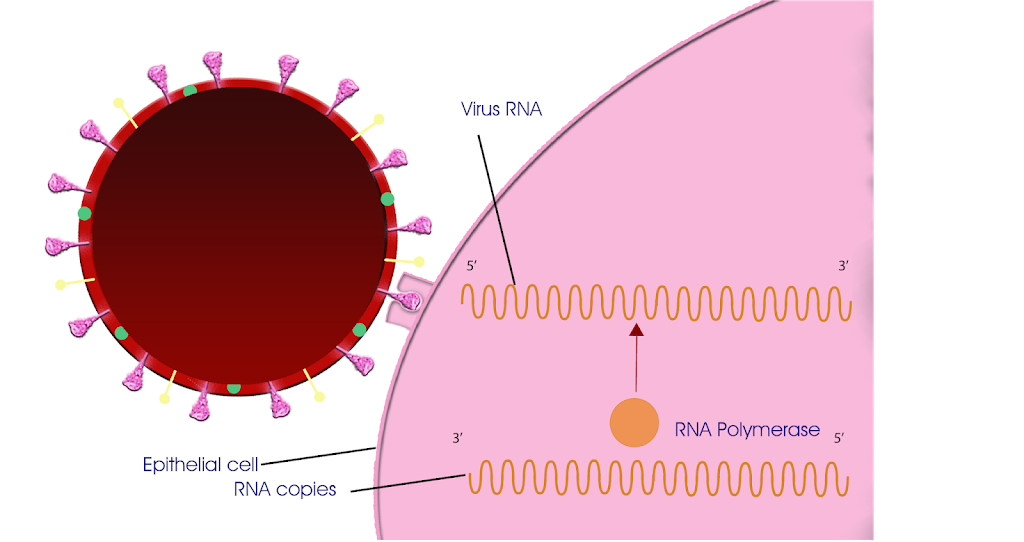
Viral RNA is copied and viral proteins are produced. New virus particles form and may infect more cells. This process can trigger inflammation. This explanation is simplified; the virus does not literally take control of the entire respiratory system at once.
Where Did COVID-19 Come From?
The earliest recognized outbreak occurred in Wuhan, China. The precise origin of SARS-CoV-2 has not been fully established. Scientists have studied several possibilities, including animal-to-human transmission. The WHO stated in 2025 that important evidence is still missing and the investigation is not closed. Claims identifying a specific animal as the proven source should not be presented as fact.
How Does COVID-19 Spread?
COVID-19 spreads mainly through infectious particles in the air when a person with the virus breathes, talks, sings, coughs, or sneezes. Risk is often higher indoors, in crowded rooms, and where fresh air is limited. Someone may spread the virus even before symptoms start or without feeling sick.
Touching a contaminated surface and then your face may also be a possible route, but shared indoor air is especially important. COVID-19 is not normally described as a disease caught from eating properly cooked meat.
Common Symptoms of COVID-19
- Fever or chills
- Sore throat or cough
- Runny or blocked nose
- Headache, body aches, or tiredness
- Changes in smell or taste
- Nausea, vomiting, or diarrhea
- Shortness of breath
Symptoms can vary, and they may resemble flu or other respiratory infections. Testing may help you decide what to do next. Some people have no symptoms.
Emergency Warning Signs
Get emergency medical care immediately for difficulty breathing, persistent chest pain or pressure, new confusion, inability to wake or stay awake, or pale, blue, or gray lips or skin (depending on skin tone). This is not a complete list; seek urgent advice for any serious or concerning symptom.
Who Is More Likely to Develop Severe COVID-19?
Risk increases with age. People with weakened immune systems, significant chronic illnesses, or certain other risk factors may need earlier assessment. Pregnancy can also increase the risk of complications. If you are in a higher-risk group, contact a healthcare professional promptly after symptoms begin, even if symptoms seem mild.
COVID-19 Treatments Available Today
There are effective medical treatments for COVID-19. Many otherwise healthy people with mild illness recover with rest, fluids, and symptom care. Healthcare professionals may prescribe antiviral medicines for people at higher risk of severe disease.
Antiviral Medicines
Examples include nirmatrelvir with ritonavir (Paxlovid) and remdesivir. These treatments work best when started early. Some oral antivirals need to begin within five days of symptoms; remdesivir is generally started within seven days. Choices depend on age, health conditions, availability, kidney or liver function, and possible drug interactions. Ask a clinician rather than starting medicines yourself.
Antibiotics do not treat the virus itself. They may be appropriate only if a healthcare professional identifies a bacterial infection. Severe COVID-19 may need hospital care, oxygen, and other clinician-directed treatment.
What Can You Do at Home for Mild Symptoms?
- Rest and drink enough fluids.
- Use suitable fever or pain medicine only as directed on the label or by a clinician.
- Stay away from others while sick, especially people at high risk.
- Ask for medical care if symptoms worsen or if you qualify for early antiviral treatment.
How to Help Prevent COVID-19
1. Keep Vaccination Up to Date
COVID-19 vaccines help reduce the chance of severe disease, hospitalization, and death. Recommendations depend on age, health status, local guidance, and the vaccines available in your country.
2. Improve Indoor Air
Open windows when practical, use suitable ventilation, and choose outdoor meetings when possible. Well-fitted masks can offer additional protection, especially in crowded or poorly ventilated places.
3. Wash Your Hands
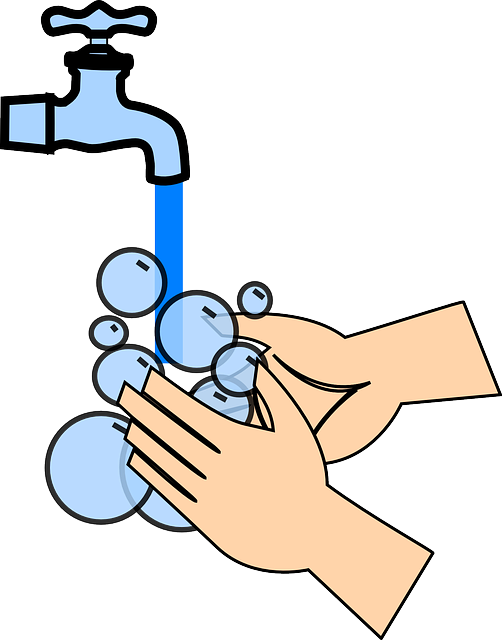
Wash hands with soap and water, especially before eating and after coughing or sneezing. Alcohol-based hand sanitizer is useful when soap and water are not available. Hand hygiene is valuable, but it does not replace cleaner indoor air.
4. Stay Home When You Are Sick
If you have symptoms of a respiratory infection, avoid close contact with others. Follow your local public-health advice about returning to work, school, or shared spaces. Use a well-fitting mask if you must be around others while unwell.
5. Cover Coughs and Sneezes
Use a tissue or your elbow to cover your mouth and nose, dispose of used tissues, and wash your hands afterward.
6. Practice Normal Food Safety
Wash hands, keep utensils clean, separate raw meat from ready-to-eat food, and cook food properly. These are important general food-safety habits. They do not replace COVID-19 prevention measures aimed at shared air.
7. Travel Carefully
Before travel, check local health guidance and consider your own health risks. If you are sick, postpone travel when possible and seek medical advice when necessary.

Can Food or Supplements Prevent COVID-19?
A balanced diet supports normal immune function, but no single fruit, spice, drink, or supplement has been proven to prevent or cure COVID-19. Eat a variety of fruits, vegetables, whole grains, and protein-rich foods. If you have a nutritional deficiency, ask a healthcare professional about appropriate treatment. Do not replace vaccination or prescribed treatment with home remedies.
Related reading: HealthCute’s “21 Best Immune System Boosters” article explores everyday foods and nutrients. Add its verified article URL here if you wish to link the two posts.
What Is Long COVID?
Some people experience symptoms that continue or develop after the initial infection. This is often called Long COVID. Symptoms can include fatigue, problems concentrating, breathlessness, or other ongoing health issues. Talk with a healthcare professional if symptoms continue or affect daily life.
Frequently Asked Questions
Is COVID-19 the same as the common cold?
No. Some symptoms are similar, but COVID-19 is caused by SARS-CoV-2 and can lead to serious complications in some people.
Can vaccinated people still get COVID-19?
Yes. Vaccination is especially valuable because it lowers the risk of serious illness, even though infection is still possible.
Do antibiotics cure COVID-19?
No. COVID-19 is caused by a virus. Antibiotics are used for bacterial infections when clinically appropriate.
When should I ask about COVID-19 antivirals?
As soon as possible after symptoms begin if you are at higher risk of serious illness. Treatment windows are short.
Can warm water stop coronavirus infection?
No. Drinking warm water may feel soothing, but it does not stop the virus from entering your body or treat COVID-19.
Final Thoughts
COVID-19 is no longer a newly discovered disease with no treatment options. We now understand much more about how it spreads, who is most at risk, and how to reduce severe illness. Cleaner air, staying home when sick, appropriate masks, vaccination, and prompt treatment for higher-risk people all matter. Follow trustworthy local health guidance as recommendations evolve.
Medical Sources and Further Reading
- World Health Organization — Coronavirus disease (COVID-19), updated November 2025
- CDC — Types of COVID-19 Treatment, February 2026
- CDC — Outpatient Clinical Care, October 2026
- CDC — How to Protect Yourself and Others
- WHO — Scientific Advisory Group on Origins, June 2025
- Sri Lanka Epidemiology Unit — COVID-19 FAQ
Medical information notice: This article is for general education only. It is not a diagnosis or a substitute for professional medical advice. Medicine availability and vaccine recommendations vary by location. Reviewed against public guidance on October 25, 2026; not independently reviewed by a clinician.


