9 Best Drinks Before Sleep (Tea, Milk, Juice)

Can a warm drink help you wind down before bedtime? A soothing drink can be part of a relaxing evening routine. But no tea, juice, or milk is a proven cure for insomnia, and some drinks can actually disturb your sleep.
Here are nine bedtime drinks to consider, what we know about them, and a few safety tips. The best choice depends on your health, your preferences, and how your body responds.
Quick answer: If you want something simple, try a small cup of warm milk, unsweetened almond milk, or a caffeine-free herbal tea you already tolerate. Avoid alcohol and caffeinated drinks near bedtime. Drinking too much liquid late at night can also wake you up to use the bathroom.
Why Do People Have Trouble Sleeping?
Sleep problems can have many causes. Stress, changing work schedules, caffeine, alcohol, an uncomfortable bedroom, certain health conditions, and some medicines may all play a role. Your body also follows an internal clock, called the circadian rhythm, which helps regulate when you feel awake or sleepy.
Most adults need at least seven hours of sleep, although individual needs differ. If poor sleep happens often, it is worth looking at your daily habits and speaking with a healthcare professional if needed.
Read more from the National Heart, Lung, and Blood Institute (NHLBI) on insomnia causes and the CDC on healthy sleep.
What Makes a Bedtime Drink a Good Choice?
Choose a drink that is caffeine-free, not too sugary, and comfortable for your stomach. Keep the serving small if you often wake up during the night to use the bathroom. If you have acid reflux, some drinks—especially mint, acidic juices, and large drinks close to bedtime—may make symptoms worse.
Remember that enjoying a relaxing drink is different from treating a sleep disorder. Evidence for many herbal drinks is limited, even when people have used them traditionally for years.
1. Pandan Tea

Pandan leaves are fragrant leaves used in cooking in several Asian countries. They can also be steeped in hot water to make a lightly scented, caffeine-free drink.
How to prepare: Wash a few food-grade pandan leaves, steep them in hot water for several minutes, remove the leaves, and let the tea cool to a comfortable temperature.
What to know: Some people may enjoy pandan tea as part of a calming routine, but reliable human research has not established that it treats insomnia or strengthens the nervous system. Avoid using concentrated extracts or herbal supplements for sleep without medical guidance.
2. Chamomile Tea

Chamomile tea is a popular caffeine-free herbal drink. Its gentle taste may make it a pleasant addition to a quiet evening.
What the evidence says: There is not enough reliable research to say that chamomile treats insomnia. The U.S. National Center for Complementary and Integrative Health (NCCIH) notes that evidence for insomnia is very limited.
Safety: Chamomile may cause allergic reactions, particularly in people allergic to ragweed or related plants. It may also interact with some medicines, including warfarin and potentially sedatives. Ask a healthcare professional before using it regularly if you are pregnant, breastfeeding, or taking medication.
Source: NCCIH – Chamomile: Usefulness and Safety.
3. Banana Smoothie
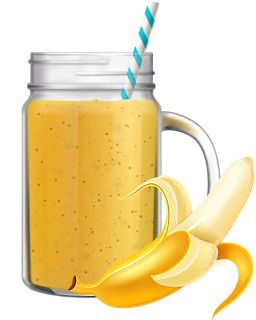
Bananas contain nutrients, including potassium and vitamin B6. A small banana smoothie can be a familiar, filling evening snack in drink form.
Simple idea: Blend half a banana with a little milk or unsweetened plant-based milk. Skip added sugar if you prefer a lighter drink.
What to know: Although bananas contain useful nutrients, there is not strong clinical evidence that drinking a banana smoothie before bed improves sleep. A large or very sweet smoothie may feel heavy close to bedtime. It is not necessarily better to drink banana smoothies at night than in the morning.
4. Warm Milk

A small cup of warm milk is a traditional bedtime drink in many homes. For some people, the warmth and familiar routine feel comforting.
How to prepare: Gently warm a small serving of pasteurized milk. You can enjoy it plain without extra sugar.
What to know: Milk contains nutrients such as protein and calcium, but it is not a proven treatment for insomnia. Avoid it if you have a milk allergy; choose a lactose-free option if you are lactose intolerant and dairy bothers you.
5. Basil Tea

Basil is a familiar kitchen herb with a fresh aroma. Leaves from culinary basil can be used to make a simple caffeine-free infusion.
How to prepare: Steep a few clean, food-grade basil leaves in hot water and strain before drinking.
What to know: Research does not establish ordinary basil tea as a reliable sleep treatment. Culinary basil, holy basil (tulsi), essential oils, and concentrated herbal capsules are different products; they should not be treated as interchangeable. Do not take basil capsules as sleeping pills without medical advice.
6. Schisandra: Why Wine Is Not a Bedtime Remedy

Schisandra is a plant used in some traditional herbal practices. However, its use for insomnia is not supported by strong clinical evidence, and herbal preparations may not be suitable for everyone.
Important: Do not use schisandra wine or any alcoholic drink to treat sleep problems. Alcohol can make you feel sleepy at first but can disrupt sleep later in the night.
If you are curious about non-alcoholic schisandra products, talk to a qualified healthcare professional about possible risks and medication interactions—especially during pregnancy or breastfeeding. This article does not recommend schisandra supplements or wine for sleep.
Source: NHLBI – Sleep Disorder Treatments.
7. Peppermint Tea

Peppermint tea has a fresh taste and is naturally caffeine-free when made from peppermint leaves alone. Some people enjoy it after dinner.
What to know: There is not good evidence that peppermint tea treats insomnia. Peppermint can make heartburn or acid reflux symptoms worse in some people. If you have reflux, choose another drink that does not trigger your symptoms.
Source: NIDDK – Diet and Acid Reflux.
8. Almond Milk

Unsweetened almond milk is a dairy-free option for people who like a warm, mild drink. The exact nutrients depend on the brand and whether it is fortified.
How to prepare: Warm a small serving of unsweetened almond milk. Add a pinch of cinnamon for flavor if you enjoy it.
What to know: Almond milk is not a proven sleep aid. Its protein and nutrient levels are not necessarily the same as whole almonds or dairy milk. Avoid almond milk if you have a tree-nut allergy, and check the label if you need to limit added sugars.
9. Lemongrass Tea

Lemongrass is used as a culinary ingredient in many Asian dishes. Its citrus-like aroma also makes it a popular herbal infusion.
How to prepare: Wash and lightly crush a small piece of food-grade lemongrass, steep it in hot water, then strain it carefully.
What to know: Lemongrass tea may be enjoyable, but there is insufficient clinical evidence that it treats insomnia. Do not consume lemongrass essential oil; essential oils are not the same as normal culinary tea. Ask a healthcare professional about concentrated herbal products if you are pregnant, breastfeeding, or taking medicines.
Drinks to Avoid or Limit Before Bed
- Caffeinated drinks: Coffee, energy drinks, and many black or green teas may keep you awake. Caffeine can affect sleep for hours.
- Alcohol: It may make you drowsy initially but can disturb sleep later in the night.
- Large drinks close to bedtime: Too much liquid can cause night-time bathroom visits.
- Drinks that trigger reflux: If you experience heartburn, pay attention to mint, citrus juice, and other personal triggers.
Source: NHLBI – Healthy Sleep Habits.
Simple Habits That Matter More Than a Bedtime Drink
- Try to go to bed and wake up at about the same time each day.
- Keep your bedroom cool, quiet, and dark.
- Give yourself some quiet time before bed.
- Avoid heavy meals, nicotine, caffeine, and alcohol near bedtime.
- Stay active during the day, when possible.
For more ideas about everyday activity, read our HealthCute guide: Amazing Benefits of Walking.
Frequently Asked Questions
What is the best drink before bed?
There is no single best drink for everyone. A small serving of water, warm milk, or a caffeine-free drink that agrees with your stomach may fit into your evening routine. None is guaranteed to make you sleep.
Does chamomile tea cure insomnia?
No. Research is too limited to conclude that chamomile treats insomnia. It may also cause allergies or interact with certain medicines.
Should I drink a lot of water before sleeping?
Staying hydrated during the day is important. But large amounts of liquid just before bed can make you wake up to use the bathroom.
Can alcohol help me sleep better?
No. Although alcohol may cause initial drowsiness, it can make sleep lighter or more interrupted.
When Should You Talk to a Doctor?
Talk to a healthcare professional if trouble sleeping happens regularly, affects your daytime activities, or comes with loud snoring, gasping during sleep, or other concerning symptoms. Chronic insomnia has treatments with better supporting evidence than bedtime drinks. A clinician can help look for underlying causes and discuss appropriate care.
Learn more: NHLBI – Insomnia Treatment.
Final Thoughts
A warm or caffeine-free drink can be a small, enjoyable part of winding down. Choose one that suits your health and tastes, and be cautious about claims that an herb can cure poor sleep. For better nights, focus on consistent sleep habits and seek medical advice when sleep problems continue.
Medical Sources and Further Reading
- Centers for Disease Control and Prevention (CDC): About Sleep
- National Heart, Lung, and Blood Institute: Insomnia Causes
- National Heart, Lung, and Blood Institute: Healthy Sleep Habits
- National Center for Complementary and Integrative Health: Chamomile
- National Institute of Diabetes and Digestive and Kidney Diseases: Diet and GERD
- National Heart, Lung, and Blood Institute: Insomnia Treatment
Medical disclaimer: This article is for general education only. It is not a diagnosis or a substitute for personalized medical advice. If you take medicines, have allergies, are pregnant, or have an ongoing sleep condition, ask a qualified healthcare professional before trying medicinal herbal products.


