21 Best Immune System Boosters

Your immune system protects your body from many germs. A healthy diet helps it work properly, but no single food can make you immune to colds, flu, or other illnesses. Here are 21 foods and drinks that provide useful nutrients, plus simple ways to enjoy them.
Important: Food supports normal immunity. Vaccination, adequate sleep, physical activity, and avoiding smoking are also important. This article is general information, not medical advice.
What Is the Immune System?
Your immune system is a network of cells, tissues, and organs that helps your body recognize and respond to germs and other threats. It includes innate immunity (your body’s early defenses) and adaptive immunity (targeted responses that develop after exposure or vaccination).
What Helps Keep Your Immune System Healthy?
Regular healthy habits matter more than any one “superfood.” Eat a variety of vegetables, fruit, whole grains, and protein foods; get enough sleep; stay active; avoid tobacco; limit alcohol; and keep recommended vaccinations up to date. The CDC explains how these habits support immune health.
Key Nutrients for Normal Immune Function
Vitamins A, C, D, and E, folate, iron, selenium, and zinc all contribute to normal immune function. A balanced diet helps most people meet their needs. Taking extra supplements when you are not deficient usually does not prevent infection, and excessive doses may be harmful. Read the NIH immune function fact sheet.
21 Foods and Drinks That Support Immune Health
1. Citrus Fruits

Oranges, mandarins, lemons, and grapefruit provide vitamin C. Your body needs vitamin C to help immune cells work normally and to maintain healthy skin, an important protective barrier. Whole fruit also gives you water and fiber. Eating citrus fruit is one useful part of a varied diet; it will not guarantee that you avoid a cold.
Easy idea: Enjoy an orange with breakfast, or add lemon to water. If you take prescription medicines, check whether grapefruit interacts with them.
2. Sweet Potatoes

Orange sweet potatoes are rich in beta-carotene, which the body can turn into vitamin A. Vitamin A supports healthy skin and the normal function of immune cells. Sweet potatoes also provide fiber and potassium. They can fit into many healthy eating patterns.
Easy idea: Roast or steam sweet potato, and serve it with a little olive oil or another healthy fat. People who manage blood glucose may need to consider portion size.
3. Papaya

Papaya provides vitamin C, vitamin A precursors, and fiber. These nutrients support normal body functions, including immune health. Papaya is a delicious fruit, but there is no good reason to claim it can stop respiratory infections by itself.
Easy idea: Choose ripe, washed papaya as a snack or part of breakfast. Avoid fruit you are allergic to.
4. Kiwi Fruit

Kiwi is a useful source of vitamin C, as well as fiber and other nutrients. Vitamin C helps the body maintain normal immune function and repair tissues. Studies of particular foods can be interesting, but no single fruit makes you immune to flu.
Easy idea: Slice a kiwi and eat it on its own or with plain yogurt. People with kiwi allergy should avoid it.
5. Blueberries

Blueberries contain fiber and natural plant compounds called anthocyanins. These colorful compounds are being studied for their effects on health. Eating blueberries adds variety to a balanced diet, but claims that they block bacterial toxins or treat infections are not established.
Easy idea: Add fresh or frozen blueberries to oats, unsweetened yogurt, or a fruit bowl.
6. White Button Mushrooms

White button mushrooms contain B vitamins and small amounts of several minerals. Some mushrooms provide vitamin D when exposed to ultraviolet light, but the amount varies. Laboratory studies of mushroom compounds do not prove that a serving of mushrooms prevents cancer or viral illness.
Easy idea: Cook mushrooms thoroughly and add them to soups, stir-fries, or eggs. Never eat wild mushrooms unless they are identified by a qualified expert.
7. Dark Chocolate

Cocoa contains plant compounds called flavanols. Dark chocolate can be enjoyed in small portions, but the evidence does not show that eating chocolate meaningfully boosts immunity or prevents infections. Many chocolate products also contain substantial sugar and calories.
Easy idea: Choose a small serving when you want a treat, rather than using chocolate as an immune treatment.
8. Almonds

Almonds provide vitamin E, healthy unsaturated fats, and some protein. Vitamin E acts as an antioxidant and helps support normal immune function. A varied diet is more important than a specific number of almonds each day.
Easy idea: Try a small handful of unsalted almonds as a snack. Avoid almonds if you have a tree-nut allergy.
9. Ginseng

Ginseng is a traditional herbal product rather than an everyday food. Some small studies have explored whether certain ginseng products affect respiratory infections, but the evidence is limited and does not establish ginseng as a reliable immune booster. Ginseng can interact with medicines and may cause trouble sleeping.
Easy idea: Ask a healthcare professional before taking ginseng supplements, especially if you are pregnant, breastfeeding, have diabetes, or take medication.
10. Green Tea

Green tea provides fluid and naturally occurring polyphenols. Researchers continue to study its compounds, but a cup of green tea cannot replace vaccines or proven treatment for infection. Ordinary green tea contains caffeine, which can affect sleep in some people.
Easy idea: Enjoy unsweetened green tea if you like it, preferably earlier in the day if caffeine keeps you awake.
11. Watermelon

Watermelon is rich in water and also contains vitamin C and the red plant pigment lycopene. It is refreshing and can help you eat more fruit. Its antioxidants are not a proven way to prevent cancer or viral infections.
Easy idea: Serve chilled watermelon as a snack. Wash the outer rind before cutting it.
12. Salmon

Salmon supplies protein, vitamin B12, and omega-3 fats. Some salmon also provides vitamin D. These nutrients help support health in different ways; omega-3s are not a guaranteed defense against autoimmune disease.
Easy idea: Bake, grill, or steam salmon and pair it with vegetables and whole grains. Follow local advice about safe fish choices during pregnancy.
13. Coriander Seeds

Coriander seeds are commonly used in South Asian cooking and traditional drinks. They add flavor and contain plant compounds that researchers are studying. However, evidence in humans is not strong enough to say coriander seed tea prevents colds or improves immune-cell growth.
Easy idea: Add ground coriander to curries, soups, or stews. Enjoy coriander tea as a drink, not a treatment for infection.
14. Pomegranate

Pomegranate seeds provide fiber and colorful plant compounds. The fruit can be part of a balanced eating pattern, but drinking pomegranate juice has not been shown to reliably prevent viral illness. Juice also has less fiber than the whole seeds.
Easy idea: Sprinkle pomegranate seeds over salads or yogurt. Choose modest portions of unsweetened juice if you prefer it.
15. Spinach

Spinach contains folate, vitamin K, and beta-carotene, as well as other nutrients. Folate helps the body make new cells, including cells involved in immune function. Spinach supports a nutritious diet but cannot guarantee freedom from illness.
Easy idea: Use thoroughly washed spinach in salads, soups, or lightly cooked dishes. People taking warfarin should keep vitamin K intake consistent and follow medical advice.
16. Ginger

Ginger is a familiar ingredient in Asian cooking and tea. Research suggests ginger may help some kinds of nausea, but evidence that it prevents or treats colds is limited. It adds flavor without needing extra sugar.
Easy idea: Grate a little fresh ginger into soup or steep slices in hot water. Discuss concentrated supplements with a clinician if you take medicines.
17. Sunflower Seeds

Sunflower seeds contain vitamin E, healthy fats, and some selenium. Both vitamin E and selenium play roles in normal immune function, but taking excess amounts of these nutrients can be harmful.
Easy idea: Scatter unsalted sunflower seeds over porridge or salads, or enjoy a small handful.
18. Turmeric
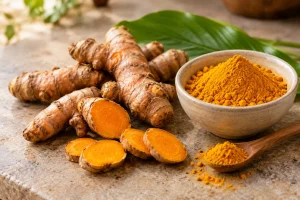
Turmeric is a yellow spice commonly used in curries. Its main studied compound, curcumin, has been examined for various health effects, but current research does not prove that turmeric treats cancer or reliably prevents infections. Concentrated, highly absorbable curcumin supplements have sometimes been linked to liver injury.
Easy idea: Use turmeric in ordinary cooking. Do not replace prescribed care with turmeric supplements.
19. Garlic

Garlic provides strong flavor and contains sulfur compounds that are being studied for health effects. Evidence that garlic supplements prevent colds is limited and uncertain. Garlic is useful in everyday meals, but is not a substitute for treatment or vaccination.
Easy idea: Add garlic to cooked vegetables, lentils, and sauces. Garlic supplements may interact with blood-thinning medicines.
20. Shellfish

Oysters, crab, and other shellfish can provide zinc. Zinc is needed for normal immune-cell development and function. However, too much zinc from supplements can cause problems, and shellfish itself does not prevent infections.
Easy idea: Eat fully cooked shellfish from a trusted source. Avoid it if you have a shellfish allergy.
21. Protein-Rich Foods

Protein helps the body build and repair tissues and make the proteins used by immune cells. You can get protein from fish, eggs, dairy, lean meat, lentils, beans, tofu, and nuts. There is no need to rely on meat alone.
Easy idea: Include a protein-rich food in regular meals and vary your choices across the week.
Do You Need Supplements to Boost Immunity?
Most people should try to get nutrients from food first. Supplements may help when a doctor identifies a deficiency or a specific need. More is not always better, especially for zinc, selenium, vitamin A, or concentrated herbal extracts. Ask a healthcare professional before using supplements alongside medicines.
Frequently Asked Questions
Can one food prevent a cold or the flu?
No. Nutritious foods support normal immune function, but none reliably prevents every infection. Recommended vaccines help your immune system recognize specific diseases.
Is vitamin C helpful?
Vitamin C is important for normal immune function. People who do not get enough should improve their intake. High-dose vitamin C is not a guaranteed way to prevent colds.
Are herbal immune boosters always safe?
No. Products such as ginseng and concentrated turmeric extracts can cause side effects or interact with medicines. Herbs used in usual cooking amounts are different from high-dose supplements.
When should I talk to a doctor?
Seek medical advice if you have repeated or unusually severe infections, unexplained weight loss, persistent fever, or concerns about nutrient deficiencies. Get urgent care for serious symptoms such as trouble breathing.
Final Thoughts
The best way to support immune health is to eat a variety of nourishing foods and keep healthy everyday habits. These 21 foods offer different nutrients and flavors; none should be treated as a cure.
Sources and Further Reading
- CDC — Support Your Immune Health
- NIH ODS — Dietary Supplements for Immune Function
- NCCIH — Asian Ginseng
- NCCIH — Turmeric
- NCCIH — Garlic
Editorial note: This article describes food and nutrition research. It has not been certified as medically reviewed by a clinician.


