What Is Cholesterol? LDL, HDL, Levels and Heart Health
<!doctype html>
In this guide, you will learn what cholesterol does, what LDL and HDL mean, how to read a cholesterol test, and how to protect your heart.
What Is Cholesterol?
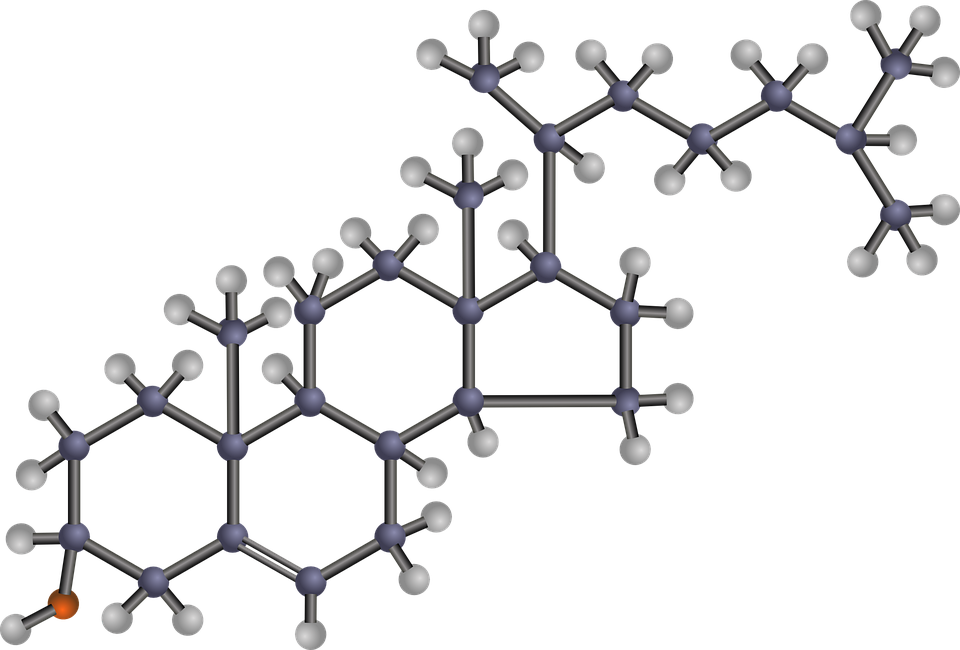
Cholesterol is a waxy, fat-like substance found in your body. Your liver makes the cholesterol you need. Some foods from animals, such as meat, eggs, and dairy products, also contain cholesterol.
Your body uses cholesterol to:
- Build and maintain cell membranes.
- Make hormones, including estrogen and testosterone.
- Make vitamin D.
- Produce bile acids that help digest fats.
Cholesterol travels through the blood in particles called lipoproteins. Different types of lipoproteins affect heart health in different ways.
What Is the Difference Between LDL and HDL Cholesterol?
LDL: Often Called “Bad” Cholesterol
LDL carries cholesterol through your blood. Too much LDL can help fatty deposits, called plaque, build up inside artery walls. This is called atherosclerosis. Over time, plaque can narrow arteries and contribute to heart attacks and strokes.
HDL: Often Called “Good” Cholesterol
HDL helps carry cholesterol away from tissues and back toward the liver. Low HDL is often linked with higher heart risk. However, simply raising HDL with a medicine has not consistently been shown to prevent heart attacks. Doctors look at LDL, other blood fats, and your overall risk, not HDL alone.
What About Triglycerides?
Triglycerides are another type of blood fat. They are not cholesterol. High triglycerides can add to cardiovascular risk, especially when other risk factors are present. Very high levels can also raise the risk of pancreatitis.

Does High Cholesterol Cause Symptoms?
High cholesterol usually has no obvious symptoms. A headache, neck pain, or fast heartbeat does not reliably tell you whether your cholesterol is high. A cholesterol blood test is the way to know.
Sometimes people with very high inherited cholesterol develop yellowish fatty deposits near the eyes or tendons. These are not present in most people with high cholesterol.
Get emergency help immediately if you have new chest pressure or pain, trouble breathing, or signs of stroke such as sudden face drooping, arm weakness, or speech trouble. These can be emergencies, whether or not you know your cholesterol result.
How Do Doctors Check Cholesterol?
A lipid panel is a blood test that usually measures total cholesterol, LDL cholesterol, HDL cholesterol, and triglycerides. It may be done with or without fasting, depending on your situation and your clinician’s instructions.
Understanding Common Adult Lipid Results
| Measurement | General guide (mg/dL) | What to know |
|---|---|---|
| Total cholesterol | Below 200 is often considered desirable | Not enough by itself to estimate heart risk. |
| LDL cholesterol | Below 100 is a common reference point for many adults | Some people need much lower personalized treatment targets. |
| HDL cholesterol | Below 40 in men or below 50 in women is often considered low | Higher HDL does not cancel out high LDL. |
| Triglycerides | Below 150 is generally normal | Levels of 500 or more need prompt medical assessment. |
Important: These are general guideposts, not personal diagnoses or universal treatment goals. Your ideal LDL depends on your heart disease history, diabetes, kidney disease, age, family history, and other factors. The 2026 ACC/AHA guideline uses overall cardiovascular risk to guide treatment and sets lower LDL goals for people at higher risk.
What Causes High Cholesterol?
Several factors can affect blood cholesterol levels:
- Food choices: Frequent intake of saturated fat, such as in some fatty meats, butter, and full-fat dairy products, can raise LDL.
- Genetics: Some people inherit very high LDL cholesterol, including familial hypercholesterolemia.
- Health conditions: Diabetes, hypothyroidism, and some kidney conditions may affect lipid levels.
- Smoking and inactivity: These increase overall cardiovascular risk and can worsen parts of your lipid profile.
- Age and hormonal changes: Lipid levels may change over time, including after menopause.
- Medicines: Some drugs may affect cholesterol or triglycerides.

Foods and Habits That Can Help Lower LDL Cholesterol
A heart-healthy eating pattern can improve cholesterol and support long-term health. Focus on changes you can keep doing.
- Choose more soluble fiber: Oats, beans, lentils, and some fruits can help lower LDL.
- Swap some saturated fat: Choose olive oil, nuts, seeds, and other unsaturated fats instead of butter or fatty processed meats.
- Eat more plant foods: Vegetables, whole grains, and fruit are useful parts of a balanced diet.
- Enjoy fish when suitable: Fish can be part of a heart-healthy meal plan. It does not replace cholesterol medicine when medicine is needed.
- Move regularly: Aim toward at least 150 minutes of moderate activity a week, if safe for you.
- Avoid smoking: Quitting helps lower cardiovascular risk.
- Maintain a healthy weight when appropriate: Even modest, lasting changes can improve risk factors.
Garlic, dark chocolate, and individual “superfoods” are not proven substitutes for prescribed LDL-lowering therapy. You do not need to remove all eggs or all dairy foods from your diet; overall food pattern and saturated fat intake matter.

When Are Cholesterol Medicines Needed?
Some people need medicine as well as lifestyle changes. Statins are commonly the first choice to lower LDL and reduce heart attack and stroke risk. Depending on a person’s health and LDL level, clinicians may also recommend medicines such as ezetimibe or other LDL-lowering treatments.
The 2026 ACC/AHA dyslipidemia guideline recommends making decisions based on personal cardiovascular risk. For example, an LDL of 190 mg/dL or higher needs medical evaluation for severe hypercholesterolemia. Patients who already have cardiovascular disease may need substantially lower LDL targets.
Do not stop or change prescription medicine without discussing it with your healthcare professional. Tell your clinician if you have side effects or concerns.
When Should You Get Your Cholesterol Checked?
High cholesterol can develop without warning signs, including in younger people. Ask a healthcare professional when you or your children should be screened, especially if close relatives had heart disease at a young age or have very high cholesterol. Your testing schedule depends on your age and health history.
Frequently Asked Questions
Is all cholesterol bad?
No. Cholesterol is needed for normal body functions. The concern is having harmful levels of certain cholesterol-carrying particles, especially LDL.
Can high cholesterol cause headaches or neck pain?
High cholesterol itself usually causes no symptoms. New or severe pain should be assessed on its own rather than blamed on cholesterol.
Is an LDL reading of 100 mg/dL always safe?
No single LDL number is ideal for everyone. People at higher risk may need a lower treatment target.
Can you lower cholesterol with food alone?
Food and activity changes can help, but some people also need medication because of their risk factors or inherited cholesterol levels.
Is HDL above 60 enough to protect against heart disease?
No. A higher HDL result does not guarantee protection. LDL and your overall cardiovascular risk still matter.
Key Takeaway
Your body needs cholesterol, but high LDL increases cardiovascular risk. Because high cholesterol usually has no symptoms, a blood test and a personalized plan are the best way to understand and manage it. Healthy food choices, physical activity, avoiding smoking, and medicine when needed all play a role.
Trusted Sources and Further Reading
- CDC: Testing for Cholesterol
- CDC: Risk Factors for High Cholesterol
- American Heart Association: How to Get Your Cholesterol Tested
- AHA/ACC: 2026 Guideline on the Management of Dyslipidemia
Medical information notice: This article is for general education, not a diagnosis or a replacement for individual medical care. Medical review is recommended before publication. Content updated October 29, 2026.


